
.jpeg)
Swimming is an essential skill and activity with numerous benefits for physical, mental, and emotional well-being. Here are several reasons why swimming is important in life:
Cardiovascular Health: Swimming is a great way to improve heart and lung function. It strengthens the cardiovascular system, helping to prevent diseases such as heart disease and hypertension.
Full-body Workout: It engages almost all of the body's muscles, making it a comprehensive form of exercise that helps build strength, endurance, and flexibility.
Low-Impact Exercise: Unlike many other sports, swimming is gentle on the joints, making it an excellent exercise for people with arthritis, injuries, or those looking for a low-impact workout.
Stress Relief: Swimming has been shown to reduce stress and anxiety. The rhythmic nature of swimming, combined with being in the water, can have a calming effect on the mind.
Improved Mood: Physical exercise, including swimming, releases endorphins, which can help elevate mood and fight symptoms of depression.
Mental Clarity: Swimming requires focus on technique, breathing, and movement, which can help clear the mind and improve mental clarity.
Water Safety: Knowing how to swim is a critical life skill, especially in emergencies or natural disasters. It can potentially save lives, whether in situations involving floods, boating accidents, or other water-related risks.
Swimming can be a social activity, whether done in a group class, with friends, or as part of a team. It fosters camaraderie and community engagement.
Swimming is an effective way to burn calories and manage weight. It increases metabolism and can help with weight loss, especially when combined with a healthy diet.
Regular physical activity like swimming can contribute to better sleep patterns, helping to fall asleep faster and enjoy a deeper, more restorative sleep.
For those with certain medical conditions (e.g., chronic pain, fibromyalgia, or post-surgery recovery), swimming can be a form of therapy that aids in rehabilitation, recovery, and pain management.
The benefits of swimming contribute to a longer, healthier life. It has been linked to increased longevity by reducing risks of chronic illnesses and improving overall health.
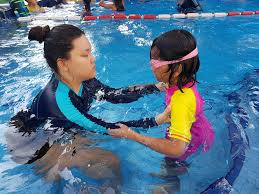
Learning how to swim from a young age or improving swimming skills provides a sense of accomplishment and mastery, boosting confidence.
In summary, swimming is a lifelong skill that offers numerous physical, mental, and emotional benefits. It's a great way to maintain fitness, improve health, and reduce stress, while also being a critical safety skill.